



Description
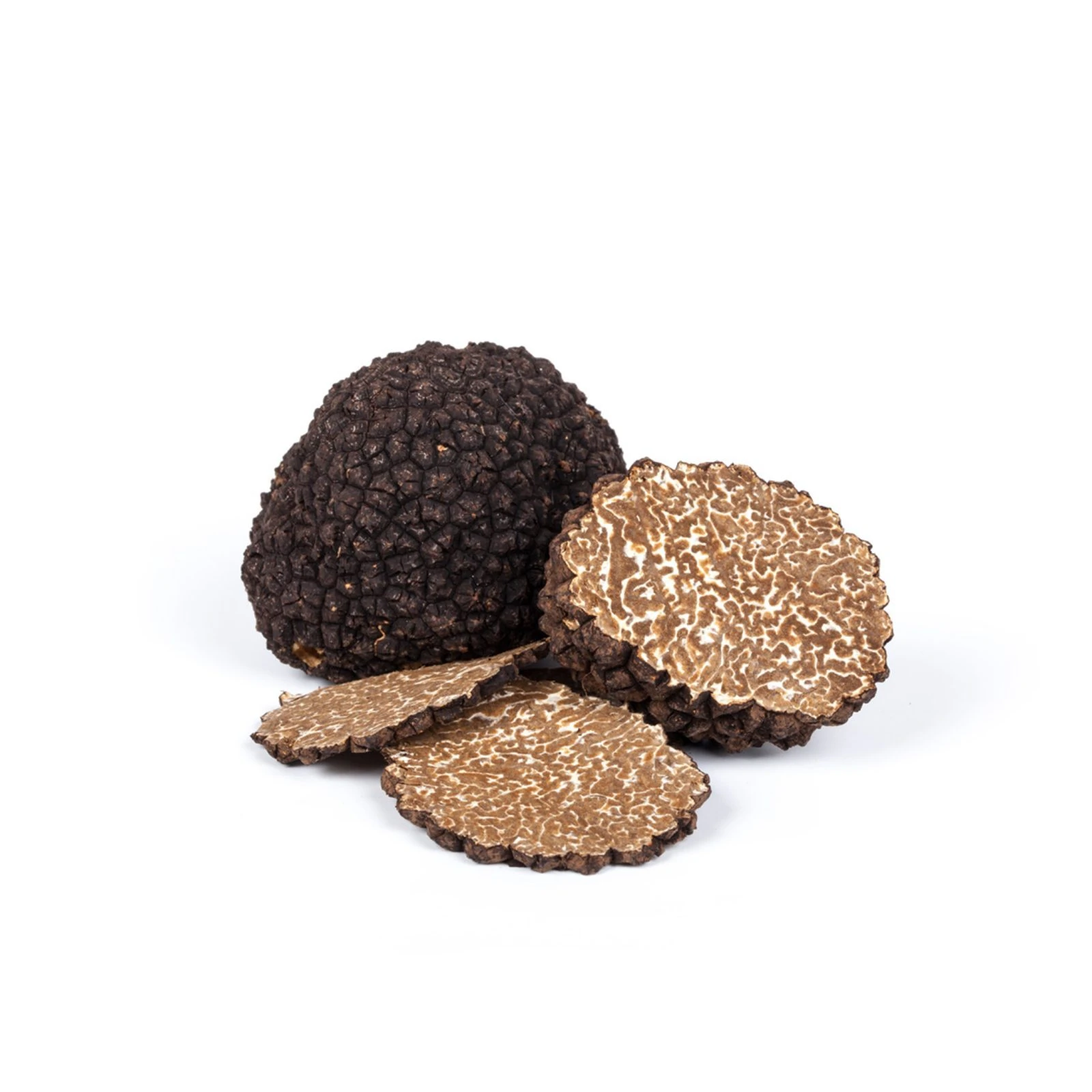
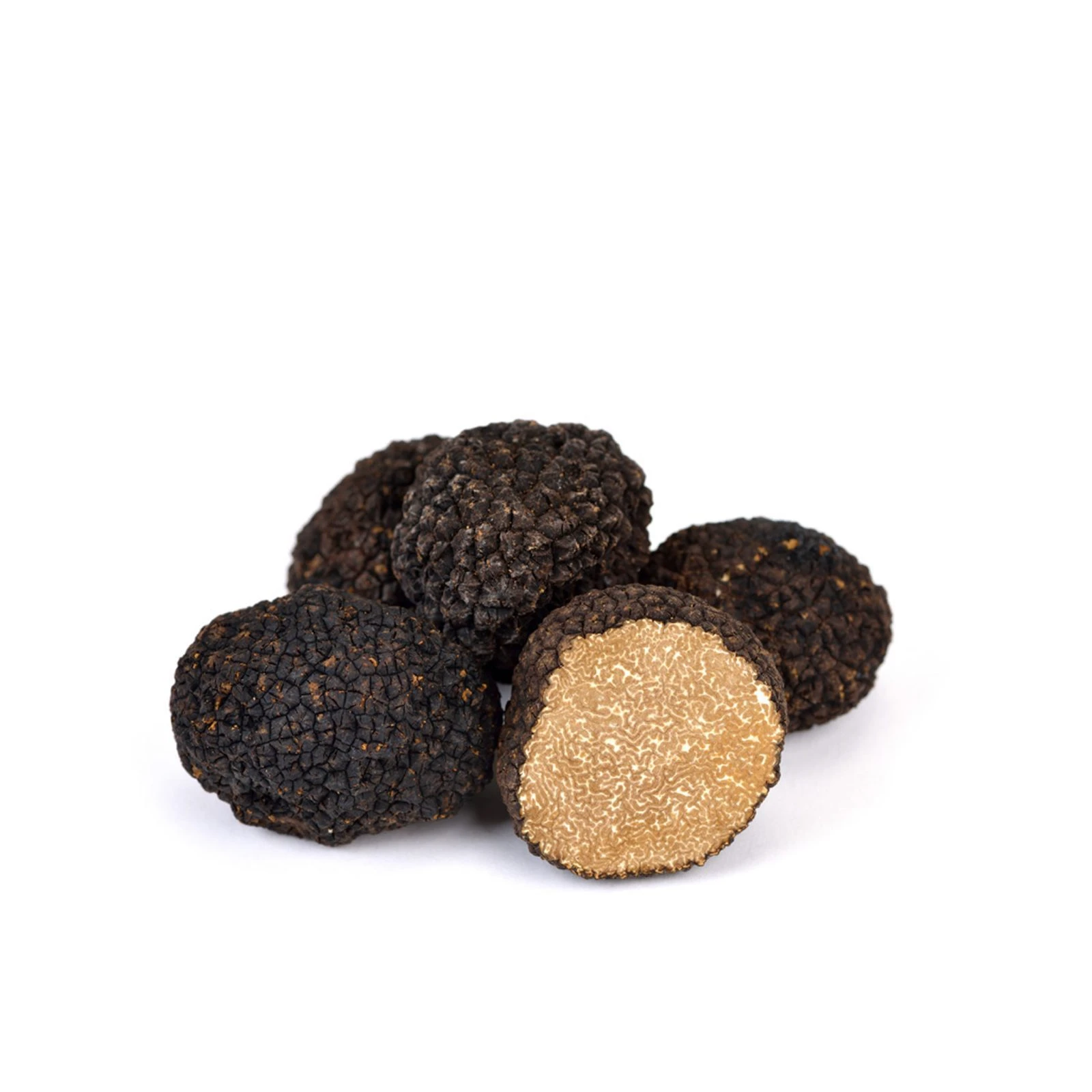
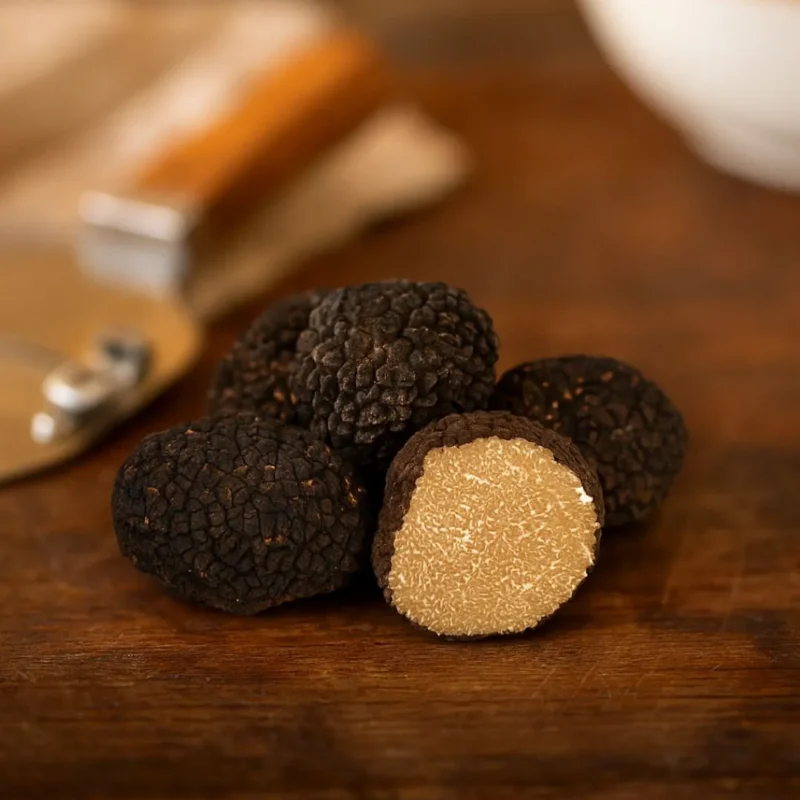
While the season of the most famous white truffle ends in December, Bianchetto takes over the scene with the first days of January. Although it is smaller than its famous relative (Magnatum Pico), it does not lag behind in character. Its smooth ocher or dark brick skin hides reddish-brown flesh with thick white veins, making it a visually impressive addition to any plate. For true gourmets, Bianchetto is an indispensable part of the seasonal calendar.
- Characteristic aroma: Its most recognizable asset is a penetrating and slightly spicy smell reminiscent of fresh garlic and medicinal herbs, which makes it an incredible flavor enhancer.
- Affordability and quality: Bianchetto provides the experience of a real white truffle at a much more affordable price, allowing creativity in the kitchen without restraint.
- Firm texture: Due to its somewhat denser structure compared to the autumn white truffle, it is easier to grate precisely into perfectly thin leaves.
- The final note of luxury: Although it is smaller in size, its aroma concentration is high, so a small amount is enough to achieve a strong gastronomic effect.
- Classics with eggs: Its garlic aroma goes best with fat, making it an ideal partner for rich frittatas, poached eggs or creamy scrambled eggs.
- Pasta and risotto: Grate it over warm buttered fudge or risotto with young asparagus to create the perfect springtime symphony of flavors.
- Meat and fish: It is an excellent addition to lightly stewed white fish or as a finishing touch to beef carpaccio.
- Hot tip: Just like the noble white truffle, Bianchetto is only consumed fresh. Rub it directly on the finished dish just before serving.